4Life Transfer Factor Plus Review
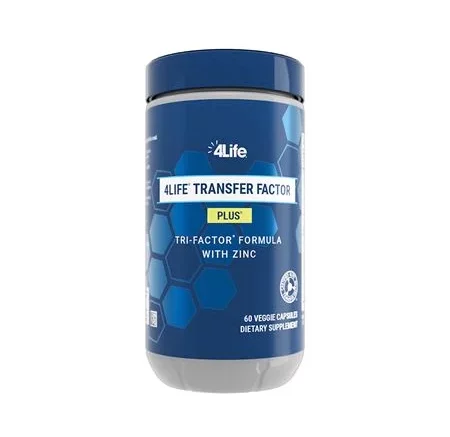
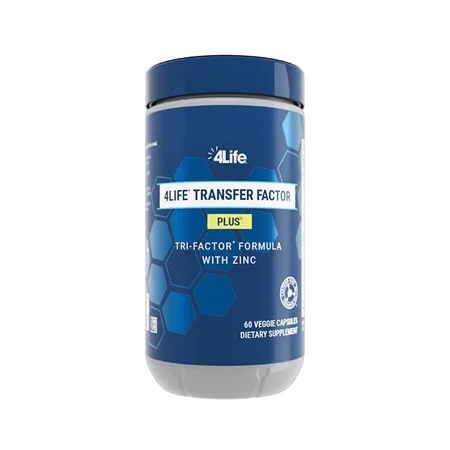
If you’ve looked into immune-supporting supplements, you’ve probably come across 4Life Transfer Factor Plus Tri-Factor Formula with Zinc. It is usually marketed as a “next-level” immunological treatment that not only improves the immune system but also makes it “smarter” by improving detection, response, and memory.
In this piece, we’ll go over what 4Life Transfer Factor Plus is, how it’s intended to work and what research studies says about its main ingredients—so you can make an informed decision.
A brief reminder that this is general information and not intended as medical advice.
What Is 4Life Transfer Factor Plus?
According to 4Life and third-party label databases, each two-capsule serving of 4Life Transfer Factor Plus provides:
- Zinc (as zinc monomethionine) – ~10 mg
- 4Life Tri-Factor® Formula – 300 mg, a blend of:
- Bovine colostrum–derived transfer factor peptides (UltraFactor XF®)
- Chicken egg yolk–derived transfer factor peptides (OvoFactor®)
- Nano-filtered colostrum components (NanoFactor®)
- Cordyvant™ Proprietary Polysaccharide Complex – ~843 mg, including:
- IP-6 (inositol hexaphosphate)
- Cordyceps sinensis
- Maitake, shiitake, and Agaricus blazei mushrooms
- Yeast and oat β-glucans
- Olive leaf extract, aloe, soybean extract and other phytonutrient sources
4Life Transfer Factor Plus contains:
- Zinc monomethionine – about 10 mg
- 4Life Tri-Factor® Formula – 300 mg contains a blend of:
- Bovine colostrum-derived transfer factor peptides (UltraFactor XF®
- Chicken egg yolk-derived transfer factor peptides (OvoFactor®)
- Nano-filtered colostrum components (Nanofactor®)
- Cordyvant™ Proprietary Polysaccharide Complex contains about 843 mg, including:
- IP-6 (inositol Hexaphosphate)
- Cordyceps sinensis
- Maitake, Shiitake, and Agaricus blazei mushrooms
- Yeast and Oat β-glucans
- Olive leaf extract, aloe, soybean extract, and other phytonutrient sources
Transfer Factors of Colostrum and Egg: “Immune Education” Peptides
The product’s fundamental ingredient is a 4Life Transfer Factor Plus factor blend made from cow colostrum and chicken egg yolk. Transfer factors play an important part in adaptive immunity by serving as a communication network for immune cells.
Recognition: They carry a distinct set of information about certain antigens (proteins on the surface of invaders), allowing other immune cells to quickly detect a threat they have never seen before.
Response: They boost and modify the immune system, allowing it to respond more effectively to detected threats without overreacting. This includes activating certain cells, such as T and NK cells, and regulating cytokine production.
Memory: They pass down immunological memory, letting the immune system to remember certain infections for a long period and develop a quick, targeted defense when exposed again.
Modern studies show:
- Bovine colostrum
- 1. Rich Composition of Immune-Active Factors
Bovine colostrum contains a variety of proteins and nutrients that play active roles in immune function and antimicrobial defense. These include immunoglobulins (antibodies), lactoferrin, antimicrobial peptides, growth factors, and other biologically active molecules. These constituents are known to interact with the immune system in different ways. PMC+1 - 2. Modulation of Immune Cells
The review highlights evidence suggesting that consuming bovine colostrum can influence the activity of specific immune cells. For example, it may help modulate the function of lymphocytes, macrophages, and dendritic cells—types of white blood cells that play important roles in immune defense. Some studies also report increases in regulatory cytokines like interleukin-10, which help balance immune responses.PMC+1
- 1. Rich Composition of Immune-Active Factors
______________________
Mushroom β-Glucans and Cordyvant™ Blend
The Cordyvant™ combination focuses on medicinal mushrooms and β-glucans, which have been extensively explored as immune modulators.
Mushroom and yeast contain β-glucan.
Fungi, yeast, oats, and barley contain complex polysaccharides known as β-glucans. 4Life Transfer Factor Plus contains mushrooms such as maitake (Grifola frondosa), shiitake (Lentinula edodes), and Agaricus blazei, as well as yeast β-glucan. These mushrooms contain specific β-glucan structures that interact with immune receptors like dectin-1 and complement receptors on macrophages, dendritic cells, and neutrophils.
Research Highlights:
Fungal β-glucans have been shown to stimulate macrophages, dendritic cells, NK cells, and T cells, leading to improved innate and adaptive responses (reviews, experiments).
In a human investigation with maitake extracts rich in β-glucans, researchers noticed improved NK cell activity and other immunological alterations, indicating a genuine immunomodulatory effect.
Recent reviews (2025) highlight the “profound immunomodulating effects” of mushroom β-glucans from species such as shiitake and maitake, affecting immune cell numbers, oxidative defenses, and immunological enzymes.
Again, most research focuses on immunological indicators and cancer-related models, rather than on healthy people taking a specific branded blend. However, the hypothesis that mushroom β-glucans “train” or modify immunity is well established.
IP-6 (Inositol Hexaphosphate) is a multi-tasking phytochemical.
The Cordyvant™ blend also includes IP-6, a naturally occurring chemical found in whole grains and legumes.
Research has showed that IP-6
In animal models and cell investigations, it has been shown to boost NK cell function and support anti-tumor immunity.
Modifies macrophage activity and inflammatory signaling by influencing cytokines and transcription factors involved in immune responses.
It participates in pathways related to inflammation, cell signaling, oxidative stress, and gene expression, prompting researchers to investigate its potential as a supporting molecule in chronic disease and cancer prevention.
The majority of this evidence is preclinical or early-stage; however, it supports the hypothesis that IP-6 belongs to a larger class of immune-active plant elements.
Zinc: The Evidence-Based Mineral Backbone.
Unlike other of the more esoteric components, zinc’s involvement in immunity is well understood.
Zinc is required for the formation and function of both innate and adaptive immune cells, such as T cells, B cells, and NK cells.
Zinc deficiency increases susceptibility to infections, particularly respiratory disorders, and impairs T-cell-mediated immunity.
According to mechanistic study, zinc ions regulate signaling in T cells and monocytes, regulating cytokine production and immunological homeostasis.
4Life Transfer Factor Plus contains around 10 mg of zinc per daily serving, which is close to the full Recommended Dietary Allowance for many adults. This makes it an important contributor to zinc consumption, particularly for persons whose diets are poor in this mineral.
So, what does all of this mean in real life?
Putting the Pieces Together:
- Colostrum and egg transfer factor peptides appear to influence NK cells and other immunological activities in vitro and in small studies, implying that they can “nudge” immune responses rather than just “boosting” them in one direction.
- Mushroom and yeast β-glucans have excellent evidence for activating innate immune cells and influencing adaptive responses, making them among the most effective natural immune components.
- IP-6 provides further immunomodulation and antioxidant support, particularly around NK cells and macrophages, although human clinical data is still coming.
- Zinc supports appropriate immune function and contributes to the overall formula’s nutritional stability.
- All of this reinforces the notion that 4Life Transfer Factor Plus is best described as a broad-spectrum immune support supplement that:
- targets innate defenses (NK cells, macrophages, and dendritic cells).
- Modifies adaptive immunity (T and B cell responses).
- Zinc provides critical nutritional assistance.
- At the same time, it is crucial to be transparent about the constraints.
- The most reliable results come from ingredient categories rather than large, placebo-controlled trials on this exact product for specific conditions.
Because it contains cow colostrum and egg yolk, it is not recommended for persons with milk or egg allergies, and those with autoimmune diseases or on immunosuppressive therapy should consult with a doctor before using it.
How Is Transfer Factor Plus Supposed To Work?
The concept of Transfer Factor Plus is built on two pillars:
- Transfer factors are tiny peptides extracted from colostrum and egg yolk that are thought to “educate” immune cells.
- This mushroom and botanical blend contains polysaccharides, particularly β-glucans, which have been shown to modulate immunological function.
1. Transfer Factors: “Immune Education” Peptides.
Transfer factors were first described in the late 1940s as dialyzable components of white blood cells that may transmit cell-mediated immunity between people. Modern dietary supplements, however, use non-blood sources—primarily bovine colostrum and chicken egg yolk.
Key findings from the research:
- Transfer factors are tiny peptides that are considered to interact with immune cells such as T and NK cells, potentially affecting their response to antigens (foreign substances).
- 4Life’s Tri-Factor and Plus formulae have been shown in lab and preclinical tests to modify cytokines such as IL-2 and IFN-γ, improve antigen-specific immune cell proliferation, and enhance NK cell activity in vitro.
- Some recent research comparing transfer factors from colostrum, egg, and other sources discovered that colostrum-derived transfer factor showed NK cell-activating effects roughly comparable to the immune cytokine IL-2 in laboratory settings.
- However, it is critical to distinguish cell-culture and animal findings from verified human clinical outcomes:
- Mainstream accounts (e.g., WebMD, reference papers) state that transfer factor supplements have not been shown to be beneficial for treating specific ailments and are regulated as dietary supplements rather than pharmaceuticals.
- Some small or exploratory human and pediatric trials using various transfer-factor combinations show improvements in immunological indicators (such as NK and NKT cell counts), but they are frequently limited in size, scope, or design, and do not establish obvious therapeutic advantages for specific illnesses.
2. Cordyvant™ has mushrooms, β-glucans, and botanicals.
Cordyvant™ combines β-glucan-rich mushrooms and yeast with botanicals such as olive leaf and aloe.
What Science Says About These Categories:
Medicinal mushrooms (maitake, shiitake, Agaricus, cordyceps) contain β-glucans, which can stimulate the innate immune system, including macrophages, NK cells, and complement. Multiple research (human, animal, and in vitro) have shown that they can change immunological markers and sometimes improve vaccine responses or host defenses.
A 2024 study on a β-glucan-rich mushroom and botanical combination discovered that adding tiny amounts of bovine colostrum peptides improved immune cell activation in human blood cell cultures, indicating synergy between colostrum peptides and mushroom β-glucans.
IP-6 (inositol hexaphosphate) and phytosterols have been examined for their involvement in cell signaling, antioxidant support, and immunological modulation, however much of the evidence is preliminary or early stage.
Again, these findings are intriguing, but they mostly focus on immunological markers (such as cytokines and cell activity) rather than large, conclusive human studies demonstrating lower illness rates, hospitalizations, or disease therapy.
The Function of Zinc in Transfer Factor Plus
- Each serving of Transfer Factor Plus contains 10 mg of zinc, which is approximately 90% of the daily recommended amount.
- Zinc is one of the most well-established minerals for immune support.
- It is necessary for the proper growth and function of innate and adaptive immune cells, particularly T lymphocytes.
- Zinc deficiency reduces immune function and increases vulnerability to infections.
- Adding zinc to the transfer factor and mushroom blend makes the recipe more nutritionally balanced in terms of immune support.
What does 4Life Transfer Factor Plus actually do?
Based on the product’s design, marketing, and available studies, Transfer Factor Plus is appropriately defined as a supplement that:
- Supports appropriate immune function by containing zinc and other substances that modulate immunological signaling and cell activity.
- Transfer factors and β-glucans work as immunomodulators, balancing immune activity. This is beneficial for both slow and overactive immunological responses.
- May promote NK cell activity and immune “alertness” – in lab settings and tiny preclinical models, the formula and its components have been found to increase NK cell activity and improve the activity of other immune cells.
However, there are some significant caveats:
The frequently quoted 437% NK cell increase is based on an in-vitro study on immune cells exposed to Transfer Factor formulations in the lab, not a human clinical trial in which individuals get sick less frequently.
Although research on colostrum peptides, transfer factors, and mushroom β-glucans is increasing, there is a lack of high-quality human trials on 4Life Transfer Factor Plus and its clinical outcomes, such as infection rates, severity, and recovery time, in major medical journals. Austin Publishing Group+WebMD+2
Regulatory bodies such as the United States. The FDA considers transfer factor products to be dietary supplements and has not approved them for the diagnosis, treatment, cure, or prevention of any disease. Some suppliers have received warning letters in the past for exaggerating disease-treatment claims. Wikipedia
So, the fairest summarization is:
4Life Transfer Factor Plus is a comprehensive immune-support supplement that includes components that have demonstrated proven immunological activity in lab and preclinical tests, as well as well-known minerals such as zinc. However, it should not be considered a medicine or a surefire method of preventing or treating specific conditions.
Who Might Consider Transfer Factor Plus?
People who usually look at items like 4Life Transfer Factor Plus tend to be:
- Individuals seeking additional immune support
- Those interested in improving their immune system
- Anyone interested in “immune intelligence” or concepts about fine tuning immune response
- Fans of mushroom and colostrum-based supplements
- Anyone with autoimmune disorders or taking immune-suppressant medicines
- People with a history of organ transplant (transfer factors are generally not suggested without medical care).
How To Use It (Practically)
According to official and partner product papers, the normal application is:
Dosage: Take two capsules daily.
With: 8 oz of water or another liquid, preferably with a meal.
Consistency: As with most nutraceuticals, consistent use over time is usually preferable over sporadic use only when you sense something coming on.
 by admin